
Top Tips To Slash Kitchen Remodeling Costs
Discover top tips to cut kitchen remodeling costs without compromising quality. Learn budget-friendly strategies to achi...

So, you’re out in your gorgeous garden, everything’s lush, the sun is shining, the birds are singing—and then bam! You brush against a plant that gives you a rash so bad you rethink your entire gardening life. Sound familiar? Welcome to the wonderful (and occasionally treacherous) world of gardening in Portugal. Today, we’re diving into poisonous plants, relentless weeds, and the other delightful surprises that love to turn your gardening into a full-blown adventure.
Grab a cup of coffee (or let’s be honest, maybe a glass of wine), because gardening problems are that real. Let’s chat about how to keep your garden thriving while dodging sneaky toxic plants and pesky pests that might be lurking.
You know, not all that glitters is gold—and in the plant world, not everything that looks pretty is safe to touch (or even glance at). Portugal is home to a variety of plants that, while lovely, can cause serious harm to humans and pets. Here are the top contenders in the “I look fabulous, but I’ll ruin your day” category.
Ah, the glamorous oleander. With its vibrant pink, red, or white flowers, it’s the star of many gardens and public spaces across Portugal. But here’s the plot twist: every single part of this plant is toxic. Yep, that stunning shrub is packing a punch of poison. Ingesting even a small amount can lead to vomiting, irregular heartbeats, or worse.
Got oleander in your garden? No need to panic—just wear gloves while handling it and keep pets and kids far, far away. This beauty is best admired from a distance.
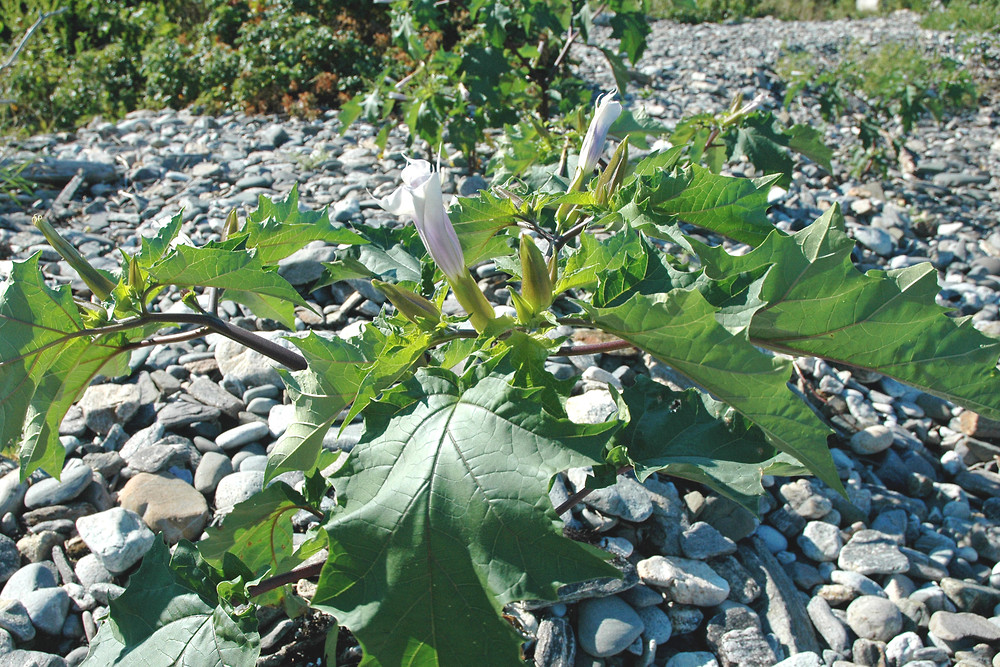
Sounds like something straight out of Hogwarts, doesn’t it? But Jimsonweed, or erva-diabo (devil’s weed) as it’s known locally, is no magical plant. With its trumpet-shaped flowers and spiky seed pods, it’s easy to mistake for something harmless. But trust me, this plant is all about hallucinations, seizures, and respiratory distress. When it pops up in your garden—and it will—handle it with gloves, a mask, and maybe even a prayer.
If you’ve heard of ricin (thanks, spy novels), you already know how dangerous this plant can be. The glossy leaves and bright red seeds of the castor bean plant make it a garden stunner, but those seeds contain one of the most potent toxins known to man. Got curious kids or pets? Get rid of this plant, ASAP.
Foxglove is another one of those gorgeous plants you’d want to Instagram. But here’s the kicker—it's loaded with cardiotonics like digitalis and digoxin, which mess with your heart’s rhythm in the worst way possible. So yes, admire it, but keep your distance.
This one is like the femme fatale of plants. Dark berries, shiny leaves, and a deadly poison hidden inside. Just a few of its berries can be fatal. Sure, it’s used to treat some ailments in the right doses, but don’t even think about popping one into your mouth unless you want to end your gardening career early.
With its beautiful blue flowers, aconite might seem innocent, but in the wrong dose, it can paralyze your respiratory system. It’s a common sight in Portugal, and while it’s used medicinally, this plant can turn dangerous fast. Handle it with care, folks.

In Portugal, most of these toxic plants come out to play during spring and summer, basking in the sun and flourishing in the warmth. But don’t think you’re off the hook in the cooler months—some, like oleander, are evergreen and will stick around to cause trouble all year long.
So, you’ve identified one of these baddies in your garden. Now what? Here’s how to handle them like a pro:
1. Gear up: Gloves, long sleeves, and eye protection are essential. If you're dealing with something especially nasty (looking at you, Jimsonweed), a mask is a smart idea too.
2. Dispose safely: Don’t just toss them into the compost pile—the toxins can linger. Bag them up and toss them with your regular garbage.
3. Clean up: Wash your hands, clothes, and tools thoroughly after handling poisonous plants. No one wants toxins transferred from the garden to the dinner table.
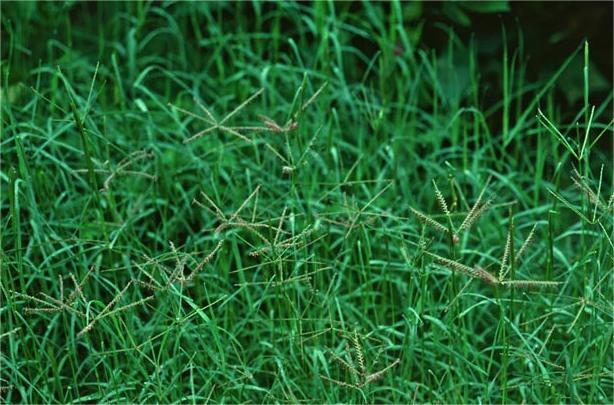
Let’s face it: weeds are the uninvited guests that crash your garden party. In Portugal, a few varieties seem to have taken up residence and refuse to leave. Here are some of the worst offenders:
This grass is the Houdini of the plant world—it can thrive just about anywhere, especially in Portugal’s hot, dry climate. And once it’s in, it’s a pain to dig out. Its roots spread underground, so even if you pull out what’s on the surface, it’ll probably pop up again. Fun, right?
Sure, dandelions are cute...until they take over your lawn. Those yellow flowers might look nice, but give them half a chance, and they’ll invade your entire garden.
Who doesn’t love a surprise sting while gardening? Stinging nettle’s tiny hairs deliver a painful jab, and once they’re in your garden, they spread like wildfire.
If you’d rather not drench your garden in chemicals, here are a few organic methods to keep weeds in check:
Vinegar: A natural herbicide that works wonders on smaller weeds. Just be careful not to spray your beloved plants.
Mulching: A thick layer of organic mulch will block sunlight and prevent weed seeds from sprouting.
Boiling Water: It sounds low-tech, but for weeds in cracks or on the driveway, boiling water can be surprisingly effective.

Just when you think your garden’s safe, enter the critters. Here are the worst offenders:
Slugs and Snails: They’ll devour your plants in no time. To combat them, check out our detailed slug guide [here].
Gophers: These little diggers might help aerate the soil, but they can also destroy your plants by tunneling through the roots. Wire mesh barriers can help keep them at bay.
Cats: If you’ve got neighborhood cats treating your garden like their personal playground, I feel your pain. They’ll knock over your plants, dig up your soil, and leave behind unwanted gifts (ticks and fur, anyone?). Unfortunately, chasing them away in the middle of the night doesn’t seem to work (I’ve tried). I’m still figuring out the best way to handle these mingy cats, but in the meantime, sprinkling some citrus peels or laying down prickly branches around your plants might help.
Gardening in Portugal is a joy—until the poisonous plants, persistent weeds, and mischievous creatures show up. But with the right know-how, you can keep your garden beautiful and safe. Whether you’re dealing with toxic plants like oleander and belladonna, battling Bermuda grass, or figuring out how to keep those pesky cats away, remember this: gardening should be fun! And if all else fails, pour yourself a drink and try again tomorrow.
Love gardening? Connect with local gardeners and experts on Allfeito to swap tips, find help, or just brag about your beautiful blooms.
In case of suspected poisoning by contact or ingestion of dangerous plants, do not hesitate to contact the Poison Information Center (CIAV) of the National Institute of Medical Emergencies (INEM), which offers a free telephone helpline – 800 250 250.