
Crucial Kitchen Remodeling Blunders To Avoid
Learn about crucial kitchen remodeling blunders to avoid and ensure a smooth renovation. Avoid common mistakes and achie...
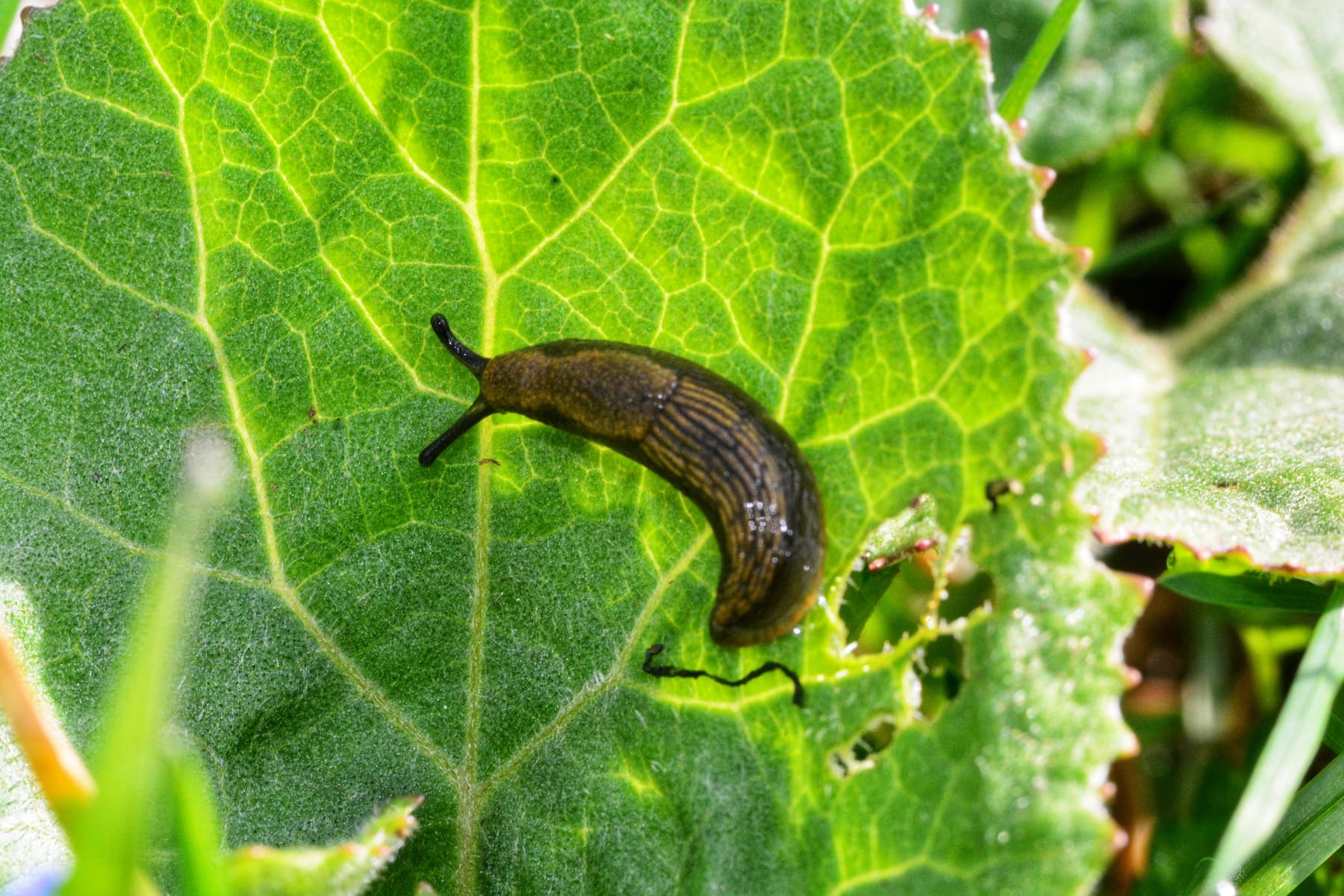
Let me guess, you’ve walked into your garden, maybe holding a cup of coffee or just taking a breath of fresh morning air, only to find your once-beautiful plants looking like a snack. And not a well-prepared, plated meal—oh no. It’s more like they’ve been attacked by something straight out of a bad horror movie. If you’re dealing with slugs, you know exactly what I’m talking about.
You probably sighed, wiped your brow, and wondered, “What on earth can I do about these slimy little plant assassins?” Well, my friend, you’re in luck. Today, we’re getting personal with our garden invaders, and I’m going to give you all the tools (and maybe a few laughs) to show slugs who’s boss.
So, let’s chat, and I'll tell you everything I know about getting rid of slugs – the natural way, because who really wants a garden full of chemicals anyway?

First things first, let’s talk about the enemy here: slugs. Now, slugs aren’t your run-of-the-mill villain. They’re like that sneaky coworker who always takes the last donut and leaves the empty box behind. You know something’s wrong, but by the time you figure it out, they’re gone—leaving nothing but destruction in their wake.
Slugs are these weird, soft-bodied, legless creatures that thrive in moist, damp environments. I mean, if you ever wanted to create the perfect spa day for them, you’d water your garden way too much and leave everything wet. That’s what they love: the wet, cool, and dark parts of your garden. They sneak out at night, leaving gross trails of slime and gnawed-up plants behind. And during the day, they’re off hiding under pots, mulch, and rocks like little garden ninjas.
Sound familiar? Yep, that’s them. They have no mercy, and they don’t care if your garden is full of vegetables, flowers, or fancy ornamental plants—they’ll eat it all. It’s like having an uninvited guest raid your kitchen and leave you with nothing but crumbs.

First signs of Infestation: When You Know the Slug Party's Out of Control
Alright, I’m going to assume you’re reading this because you’ve already noticed the early signs of a slug party happening in your garden. If not, let’s do a quick check:
Irregular holes in leaves, as if someone decided to eat your plant like a slice of Swiss cheese.
Slime trails glistening in the morning sun. (Yes, like snail graffiti.)
Slugs playing hide-and-seek under pots, rocks, and mulch. Spoiler alert: They’re winning.
If you’ve seen any of this, buckle up. We’ve got some work to do.
Handpicking: The Gross but Gratifying Method
Okay, I’m just going to say it: If you want immediate slug control, you’ve got to get your hands dirty (literally). I know it’s not glamorous, but handpicking slugs is surprisingly effective, and if you’re feeling a little rage toward your garden pests, it’s weirdly satisfying.
How do you do it? Simple. Put on some gloves, grab a flashlight, and head out to the battlefield (your garden) early in the morning or late in the evening when the slugs are out in full force. They’re not exactly subtle at this hour, so you should spot them easily. Pick them up and toss them in a bucket of soapy water (because nothing says "not in my garden" like a soapy demise).
Is it fun? Not really. But will it help? Oh, absolutely.
Barrier Methods: Because, You just Need a Good Defense
Maybe the thought of handpicking slugs isn’t for you, and that’s fair. If you prefer a more hands-off approach, creating barriers and traps is the way to go. Think of it like setting up little defensive forts around your garden.
Here are some fun and easy ones to try:
Copper Tape: Believe it or not, slugs hate copper. Something about the reaction between their slime and copper makes them squirm—literally. You can put copper tape around the rims of your pots or garden beds to keep them out.
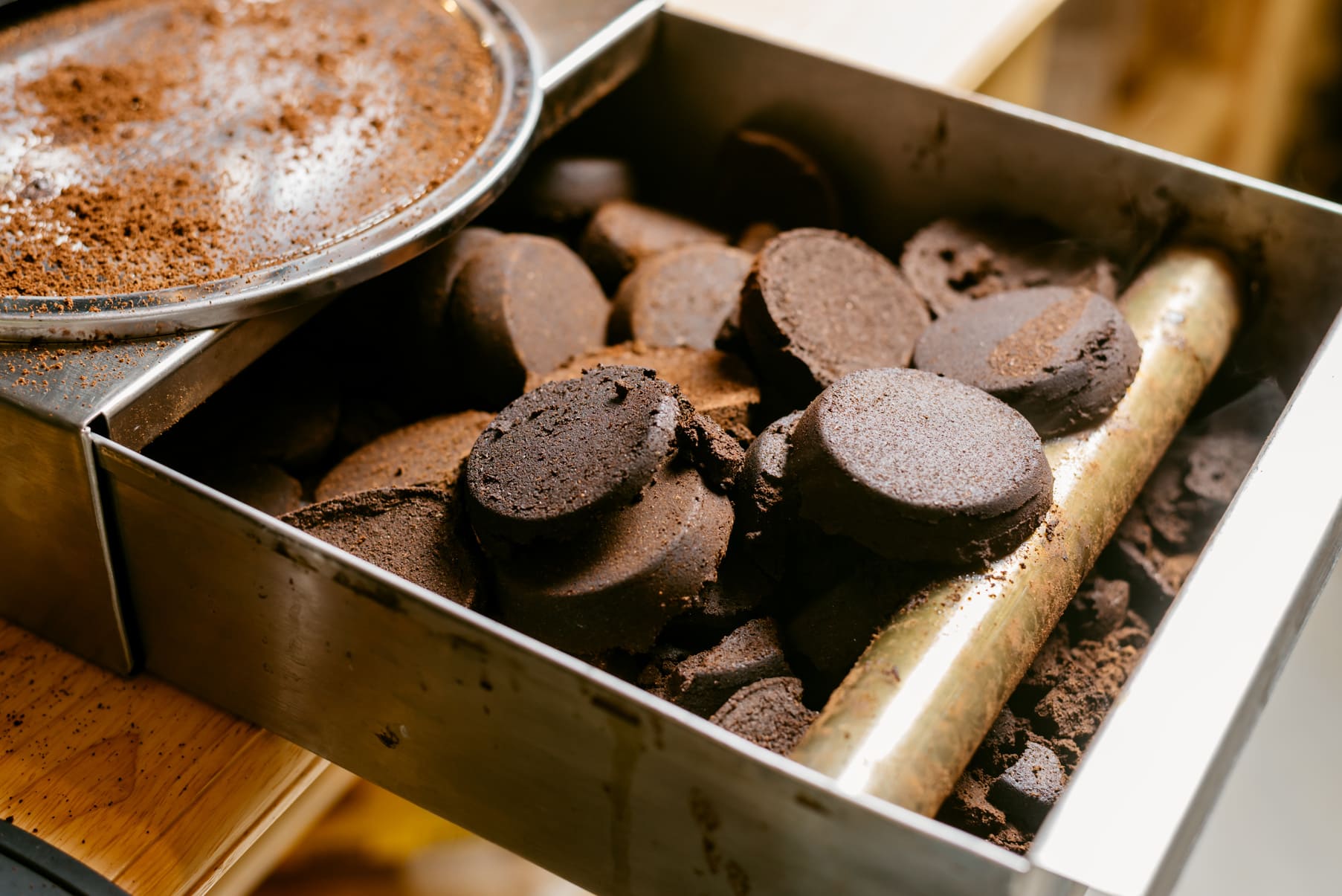
Eggshells and Coffee Grounds: If you’ve got leftover eggshells or coffee grounds, don’t throw them away! Sprinkle them around your plants. The rough texture is like a thorny fence for slugs. Plus, your garden gets an extra nutrient boost. Double win.
Beer Traps: This one’s for all my beer lovers out there. Slugs love beer (no, I’m not making this up). Bury a shallow dish at soil level and fill it with beer. The slugs will be drawn to it, take a drink, and well…let’s just say they won’t be making it back out. It’s the only time I’ll say, “Share your beer with the slugs.”
Natural Predators: Let Nature Do the Dirty Work
If you’re lucky, you can recruit some garden allies in the fight against slugs. Birds, frogs, toads, and ground beetles are all natural slug predators. If you’ve got space for a small pond, frogs will gladly handle your slug problem. Toads? Also great. Ground beetles? They’ve got your back, too.
Encourage these predators by creating friendly habitats—think birdhouses or small water features. It’s like building a neighborhood watch, except it’s for your garden, and the members have no problem eating the trespassers.
Organic Repellents: DIY Slug Warfare
Now, if you’re more of a DIY enthusiast, there are some great organic repellents you can whip up at home. The best part? These mixtures don’t harm your plants or the good bugs, like bees or ladybugs. Here are some of my favorites:
Diatomaceous Earth: Sounds fancy, but it’s really just fossilized algae that’s super rough on slugs. Sprinkle it around your plants, and the slugs will avoid it like the plague.
Garlic Spray: Slugs hate garlic (who knew?). Mix some crushed garlic with water, add a little dish soap, and spray it on your plants. It’ll keep slugs at bay, and maybe even vampires too. Bonus!
How Often Should You Do This? A Slug Battle Strategy
Alright, here’s the deal: getting rid of slugs isn’t a one-time thing. You’re going to have to put in some elbow grease—especially if you’ve got a serious infestation.
Handpicking and checking traps daily is crucial during peak slug season (those damp spring and fall months). If you’re using barriers like eggshells or diatomaceous earth, you’ll need to reapply them after rain because moisture washes them away. Organic sprays like garlic can be applied weekly, especially after watering.
Basically, the name of the game is consistency. Stay on top of it, and soon, the slug population will dwindle. And trust me, your plants will thank you.
Proofing Your Garden: The Preventive Measures That Actually Work
Here’s the best tip I can give you: prevention. Slug infestations are way easier to prevent than deal with after the fact. It’s like locking your doors so you don’t have to chase a burglar out of your house.
Clean Your Garden: Slugs love hiding in debris, so keep your garden tidy. Get rid of piles of leaves, grass clippings, and anything else that could make a cozy slug hideout.
Choose the Right Plants: Some plants are basically slug-proof. Lavender, rosemary, ferns—they’re not on the slug menu. If slugs are an ongoing issue, consider adding more of these to your garden.
Reduce Moisture: Slugs thrive in wet conditions, so don’t overwater your plants. Drip irrigation is a great way to water your garden without making it a slug paradise.

Out of Control Slug The Slug Show Down
At the end of the day, getting rid of slugs is all about understanding them. They’re opportunistic little critters, but once you know their habits and have a few tricks up your sleeve, you’ll be back in control of your garden.
No need for chemical warfare—just some good ol’ handpicking, a bit of creative DIY, and a team of natural predators. With these methods, you’ll not only get rid of slugs, but you’ll also do it in a way that’s good for your plants and the environment.
So, go ahead, give it a try. And when you’re out there, knee-deep in your garden, flashlight in hand, ready to tackle the slimy invaders… just remember: you’ve got this.
Until next time, happy (slug-free) gardening!