
How to create the Ultimate Offer for Your clients
Create an irresistible offer for your clients with these essential strategies. Design the ultimate proposal that capture...

Creating content that aligns with each stage of the buyer’s journey is crucial for effectively guiding prospects from awareness to decision. Each stage—awareness, consideration, and decision—requires tailored content to meet the specific needs and concerns of potential customers.
Here’s a comprehensive guide to creating content for every stage of the buyer’s journey:
Most buyers don’t decide to make a purchase on a whim. The decision-making process begins with the buyer becoming aware of a problem or need. This awareness prompts research, often involving reading articles, reviews, and comparing options by placing items in shopping carts or saving business contacts for further investigation. Understanding customer behavior at each stage of this journey is essential for creating effective content.
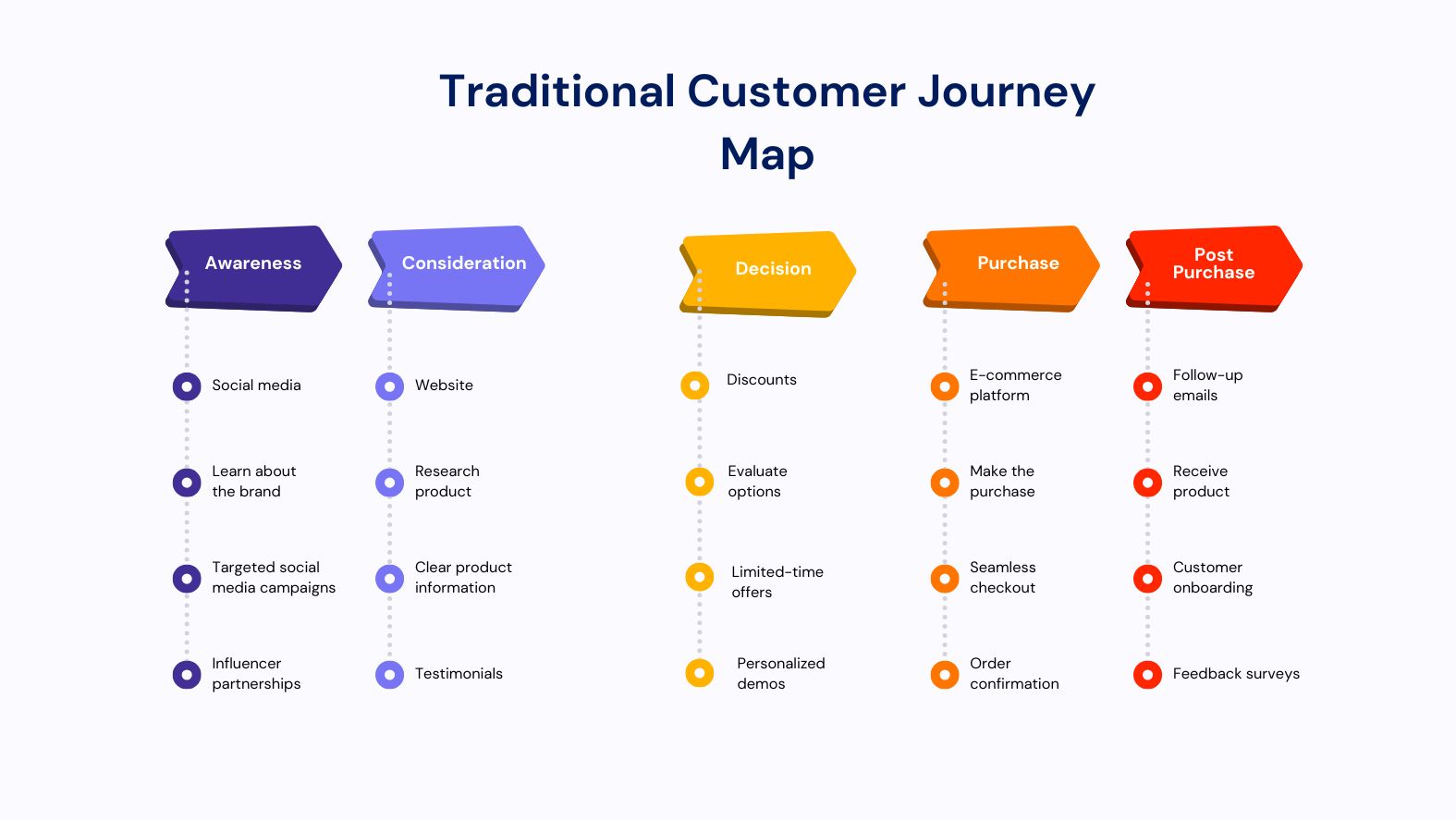
Goal: Attract potential customers and create awareness about their problem or need.
Customer Behavior: At this stage, customers are just becoming aware of their problem or need. They might not even know the exact nature of the solution they are looking for. Their behavior includes searching for information, reading educational content, and seeking to understand their issue better.
Content Type: Educational and informational content that addresses pain points and provides solutions without directly promoting your product or service.
Examples:
· Blog Posts: Write articles that address common issues in your industry. For instance, if you sell home security systems, a blog post titled “10 Common Home Security Mistakes and How to Avoid Them” would attract homeowners concerned about safety.
· Infographics: Create visually engaging infographics that highlight important statistics or steps to solve a problem. For example, an infographic on “The Rising Trend of Smart Home Security” can educate and engage readers.
· Ebooks and Whitepapers: Offer in-depth guides that delve into industry-specific challenges. An ebook titled “The Ultimate Guide to Portugal Property Purchase: What They don’t Tell You!” can be appealing to a broad audience.
· Social Media Posts: Share tips, facts, and insights that resonate with your audience’s interests and concerns. Use platforms like Facebook, LinkedIn, and Instagram to reach a broad audience.
· Videos: Produce educational videos that explain industry concepts or provide quick tips. A video series on “How to Improve Home Security in Simple Steps” can attract viewers looking for actionable advice.

Goal: Help prospects evaluate their options and consider your solutions as viable choices.
Customer Behavior: At this stage, customers are actively researching and comparing different solutions. They are looking for detailed information, case studies, and reviews to help them make an informed decision.
Content Type: Comparisons, case studies, and detailed information that highlight the benefits of your products or services and how they address specific needs.
Examples:
· Comparison Guides: Create detailed guides comparing different solutions. For example, a guide titled “Home Security Systems: Comparing DIY Solutions vs. Professional Installations” helps prospects weigh their options.
· Case Studies: Showcase success stories from previous clients. A case study on “How Our Home Security System Prevented a Break-In” provides real-world evidence of your product’s effectiveness.
· Webinars: Host live or recorded webinars that delve into industry topics or demonstrate your products. A webinar on “Innovative Home Security Solutions for Modern Homes” can engage and inform potential customers.
· Product Demos: Offer detailed demonstrations of your products or services. Create demo videos or interactive content that allows prospects to see your solution in action.
· Email Newsletters: Send targeted email campaigns with valuable content that addresses the specific interests of your prospects. Include articles, tips, and product highlights relevant to their needs.
Goal: Convert prospects into customers by providing compelling reasons to choose your product or service.
Customer Behavior: At this stage, customers are ready to make a purchase decision. They are looking for final assurances, such as testimonials, guarantees, and special offers, to feel confident in their choice.
Content Type: Persuasive and trust-building content that reinforces your value proposition and addresses any final objections or concerns.
Examples:
· Customer Testimonials: Share testimonials from satisfied customers. A testimonial video or written review from a homeowner who successfully used your security system can build trust.
· Free Trials or Demos: Offer free trials or product demos to let prospects experience your product firsthand. A “30-Day Free Trial of Our Home Security System” can encourage hesitant buyers to take the plunge.
· Discounts and Promotions: Provide special offers to incentivize purchase. A limited-time discount on installation fees for your security system can prompt immediate action.
· Detailed Product Pages: Ensure your product pages are comprehensive, including specifications, benefits, pricing, and FAQs. A well-designed page for your home security system should answer all potential questions and make purchasing easy.
· Consultation Offers: Offer free consultations to address any remaining concerns and personalize the buying experience. A “Free Home Security Assessment” can help prospects feel confident in their decision.

Purchase Stage
Goal: Convert prospects into customers by providing compelling reasons to choose your product or service.
Customer Behavior: At this stage, customers are ready to make a purchase decision. They are looking for final assurances, such as testimonials, guarantees, and special offers, to feel confident in their choice.
Content Type: Persuasive and trust-building content that reinforces your value proposition and addresses any final objections or concerns.
Examples:
o Customer Testimonials: Share testimonials from satisfied customers. For example, a testimonial video or written review from a homeowner who successfully used your security system can build trust and confidence in potential buyers.
o Free Trials or Demos: Offer free trials or product demos to let prospects experience your product firsthand. A “30-Day Free Trial of Our Home Security System” can encourage hesitant buyers to take the plunge.
o Discounts and Promotions: Provide special offers to incentivize purchase. A limited-time discount on installation fees for your security system can prompt immediate action.
o Detailed Product Pages: Ensure your product pages are comprehensive, including specifications, benefits, pricing, and FAQs. A well-designed page for your home security system should answer all potential questions and make purchasing easy.
o Consultation Offers: Offer free consultations to address any remaining concerns and personalize the buying experience. A “Free Home Security Assessment” can help prospects feel confident in their decision.
Post Purchase Stage
Goal: Foster customer loyalty, encourage repeat purchases, and transform customers into brand advocates.
Customer Behavior: After making a purchase, customers seek reassurance that they made the right decision. They are looking for excellent customer service, helpful resources, and engagement from the brand to reinforce their satisfaction and loyalty.
Content Type: Supportive and engaging content that enhances the customer experience, provides ongoing value, and builds a long-term relationship.
Examples:
o Onboarding Materials: Provide detailed onboarding guides, video tutorials, and setup instructions to help customers get started with their new purchase. For example, a “How to Set Up Your Home Security System” video can ensure a smooth installation process.
o Customer Support: Offer accessible and responsive customer support through various channels, such as live chat, email, and phone. A “24/7 Customer Support” promise can reassure customers that help is always available.
o Loyalty Programs: Create loyalty programs that reward repeat purchases and brand engagement. A points-based system where customers earn rewards for each purchase of security system accessories can keep them coming back.
o Follow-Up Emails: Send personalized follow-up emails to check in on customer satisfaction and offer additional resources. An email like “Is Your Home Security System Working Perfectly? Here’s How to Make the Most of It” can maintain engagement.
o User Communities: Build online communities where customers can share their experiences, ask questions, and provide feedback. A “Home Security Enthusiasts Forum” can create a sense of belonging and encourage users to become advocates for your brand.
o Feedback Requests: Regularly seek customer feedback to improve your products and services. A “Rate Your Experience with Our Home Security System” survey can provide valuable insights and show customers that their opinions matter.
Now, let’s explore a specific buyer's journey. The customer experience for a building company that constructs new houses can be intricate, encompassing multiple stages and touchpoints.
Below is a detailed breakdown of each phase of this journey and what it entails:
Goal: Make potential customers aware of the building company and its services.
Customer Behavior: At this initial stage, potential customers may be realizing their need for a new home or considering building instead of buying an existing one. They may be gathering general information and exploring options.
Content Type: Informative and educational content to introduce the company and its expertise.
Examples:
o Blog Posts and Articles: Topics like "Benefits of Building a New Home vs. Buying an Existing One" or "Top Trends in Custom Home Design".
o Social Media Posts: Engaging content showcasing previous projects, customer testimonials, and behind-the-scenes looks at the building process.
o SEO-Optimized Website: Ensuring the company's website ranks well on search engines for relevant queries like "custom home builders Lisbon" or "new home construction location".
Goal: Help potential customers evaluate the company’s offerings and build trust.
· Customer Behavior: Customers at this stage are actively researching and comparing builders. They may be looking at portfolios, reading reviews, and seeking recommendations.
· Content Type: Detailed and trust-building content that demonstrates expertise and differentiates the company from competitors.
Examples:
o Case Studies: Detailed descriptions of past projects, including challenges faced and how they were overcome.
o Customer Testimonials and Reviews: Written and video testimonials from satisfied clients.
o Portfolio Gallery: High-quality images and videos of completed homes.
o Informational Webinars or Seminars: Topics like "Understanding the Home Building Process" or "How to Choose the Right Builder for Your New Home".
Goal: Convert prospects into customers by providing compelling reasons to choose the building company.
· Customer Behavior: Customers are ready to make a decision and need final assurances to choose your company. They are looking for clear, persuasive reasons and assurances about their choice.
· Content Type: Persuasive and trust-building content that reinforces the value proposition and addresses any final objections or concerns.
Examples:
o Detailed Proposals and Quotes: Transparent pricing and detailed breakdowns of costs and services.
o Free Consultations: Offering personalized consultations to discuss specific needs and project details.
o Site Visits: Inviting potential customers to tour existing projects or completed homes.
o Satisfaction Guarantees: Providing assurances such as warranties on workmanship and materials.
Goal: Secure the contract and start the construction process.
· Customer Behavior: The customer is ready to commit and finalize the contract. They want a smooth, professional transaction and clear communication about the next steps.
· Content Type: Contractual and instructional content to finalize the deal and set expectations.
Examples:
o Contract Documentation: Clear and detailed contracts outlining the scope of work, timelines, and payment schedules.
o Project Timeline and Milestones: Providing a clear schedule of the construction process, including key milestones.
o Payment Plan Options: Offering flexible payment plans to accommodate different financial situations.
o Welcome Package: A welcome package including contact information, key dates, and an overview of the construction process.
Goal: Deliver a seamless and positive construction experience.
Customer Behavior: Customers are now monitoring the progress of their new home construction. They expect regular updates, transparency, and problem-solving if issues arise.
Content Type: Continuous communication and updates to keep customers informed and satisfied.
Examples:
o Progress Reports: Regular updates via email or a dedicated project management app, including photos and videos.
o On-Site Meetings: Regular site visits and meetings to review progress and address any concerns.
o Customer Support: Dedicated customer support to handle inquiries and resolve issues promptly.
o Quality Assurance Checks: Regular inspections to ensure quality standards are met at every stage.
Goal: Ensure customer satisfaction and foster long-term relationships.
Customer Behavior: Customers are moving into their new home and reflecting on the overall experience. They are likely to share their experience with others and may have questions or need support.
Content Type: Supportive and engaging content to enhance satisfaction and encourage referrals.
Examples:
o Handover Package: Comprehensive information on home maintenance, warranties, and contact details for any future needs.
o Customer Satisfaction Surveys: Gathering feedback to understand customer satisfaction and areas for improvement.
o Follow-Up Visits: Scheduled follow-up visits to address any post-construction issues or concerns.
o Referral Program: Incentivizing satisfied customers to refer friends and family.
o Loyalty Programs: Offering discounts or special offers for future projects or home improvements.
Goal: Turn customers into brand advocates who promote your company to others.
Customer Behavior: Satisfied customers are likely to recommend the building company to others and may seek additional services.
Content Type: Engagement and appreciation initiatives to build long-term loyalty.
Examples:
o Client Appreciation Events: Hosting events for past clients to thank them and keep the relationship strong.
o Social Media Engagement: Encouraging customers to share their experiences on social media and tagging the company.
o Newsletter Updates: Regular newsletters with home maintenance tips, company news, and exclusive offers.
o Testimonials and Case Studies: Featuring satisfied customers in marketing materials to showcase successful projects.
By carefully guiding customers through each stage of this journey, a building company can ensure a positive experience, build strong relationships, and drive ongoing growth through repeat business and referrals.
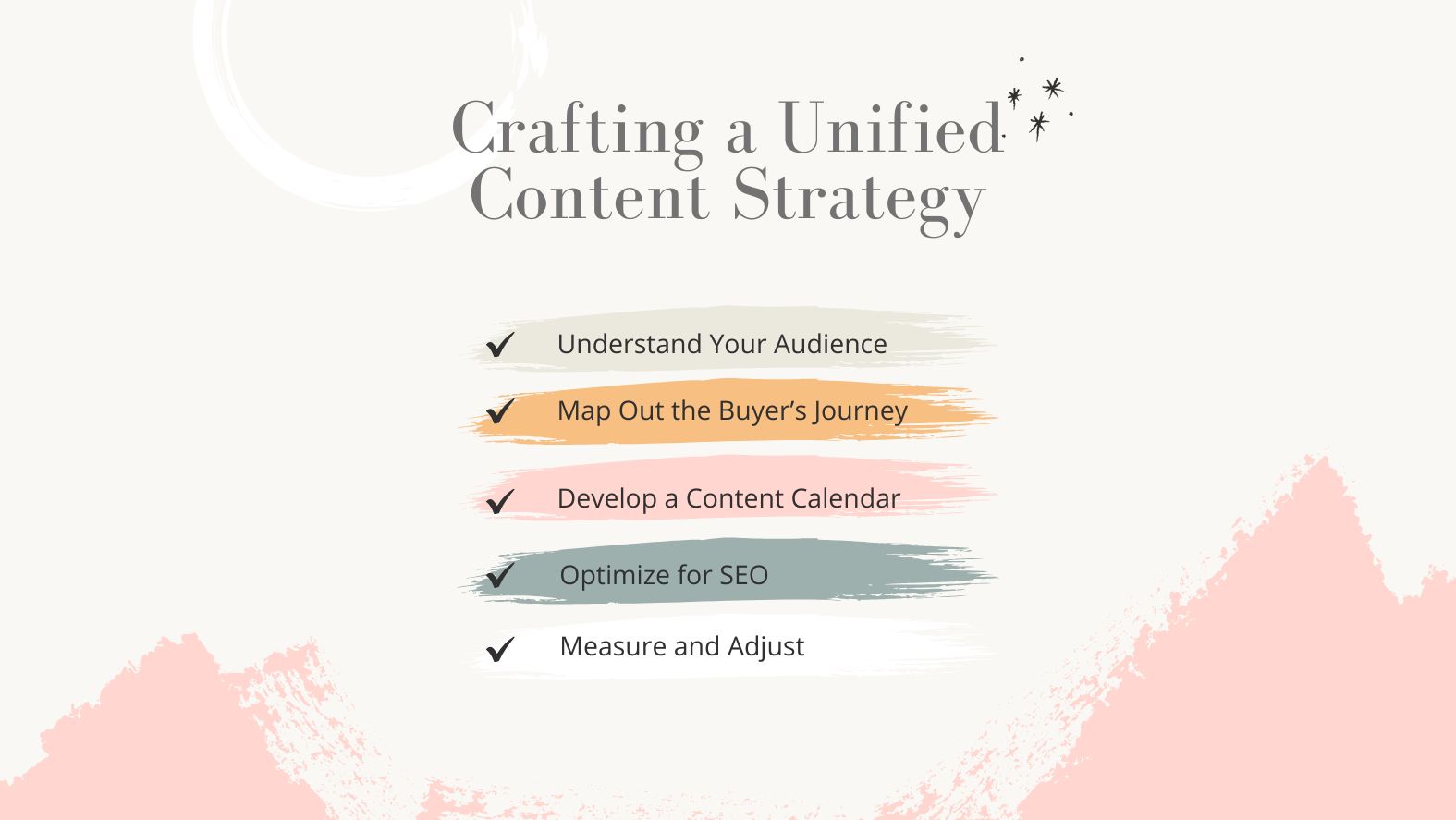
To create a cohesive content strategy across all stages of the buyer’s journey, follow these steps:
1. Understand Your Audience: Conduct thorough research to understand the needs, pain points, and preferences of your target audience at each stage.
2. Map Out the Buyer’s Journey: Identify the key stages of your buyer’s journey and the type of content that best addresses the needs at each stage.
3. Develop a Content Calendar: Plan and schedule your content to ensure consistent delivery and alignment with your marketing goals.
4. Optimize for SEO: Ensure your content is optimized for search engines to increase visibility and attract organic traffic.
5. Measure and Adjust: Continuously monitor the performance of your content and make data-driven adjustments to improve effectiveness.
By creating tailored content for each stage of the buyer’s journey, you can effectively guide prospects from awareness to decision, ultimately driving conversions and business growth.
This strategic approach ensures that you provide the right information at the right time, building trust and demonstrating value throughout the entire process. By understanding and addressing customer behavior at each stage, you can create a seamless and engaging experience that leads to long-term customer relationships and business success.
Expand your reach and grow your business with Allfeito.
If you have any questions, feel free to contact us—No obligations.

-2024-10-28656.jpg)