
Must-Have Cleaning Equipment & Tools for Every Cleaner in Po...
Discover the essential cleaning equipment and tools you need to succeed as a professional cleaner in Portugal. Equip you...

In the realm of digital marketing, a common pitfall for many businesses is their approach to potential customers. Often, businesses rush into their sales pitch without building a relationship first. Many companies direct traffic straight to their landing page or, worse, their homepage, and immediately push for a sale, hoping for instant profit. This approach overlooks the essential steps needed to transform a stranger into a loyal, paying client.
The eagerness to close a deal often leads businesses to treat every prospect as if they are ready to buy right away, neglecting the necessary nurturing process. This strategy is comparable to proposing marriage to a stranger at a bar – without any prior interaction or relationship-building. As we have discussed, there is a proven process to turn prospects into high-paying clients, and the next crucial step in this process is to get them to ‘opt-in’.
The primary objective of an opt-in page is to collect contact details from potential customers in exchange for a valuable offer. This exchange marks the first transaction between you and your prospect, even though it doesn’t involve money. The currency here is their contact information – their name and email address. To win their trust from the outset, the content you provide must be of such high quality that it leaves them impressed and eager for more. Offering subpar promotional material will quickly erode trust and make your marketing efforts much harder.
Your free high value content should be so valuable that prospects think, "If this is what they're giving away for free, imagine the quality of their paid products and services!" To create an irresistible opt-in page, you need to hit the right buttons and motivate visitors to share their contact details.
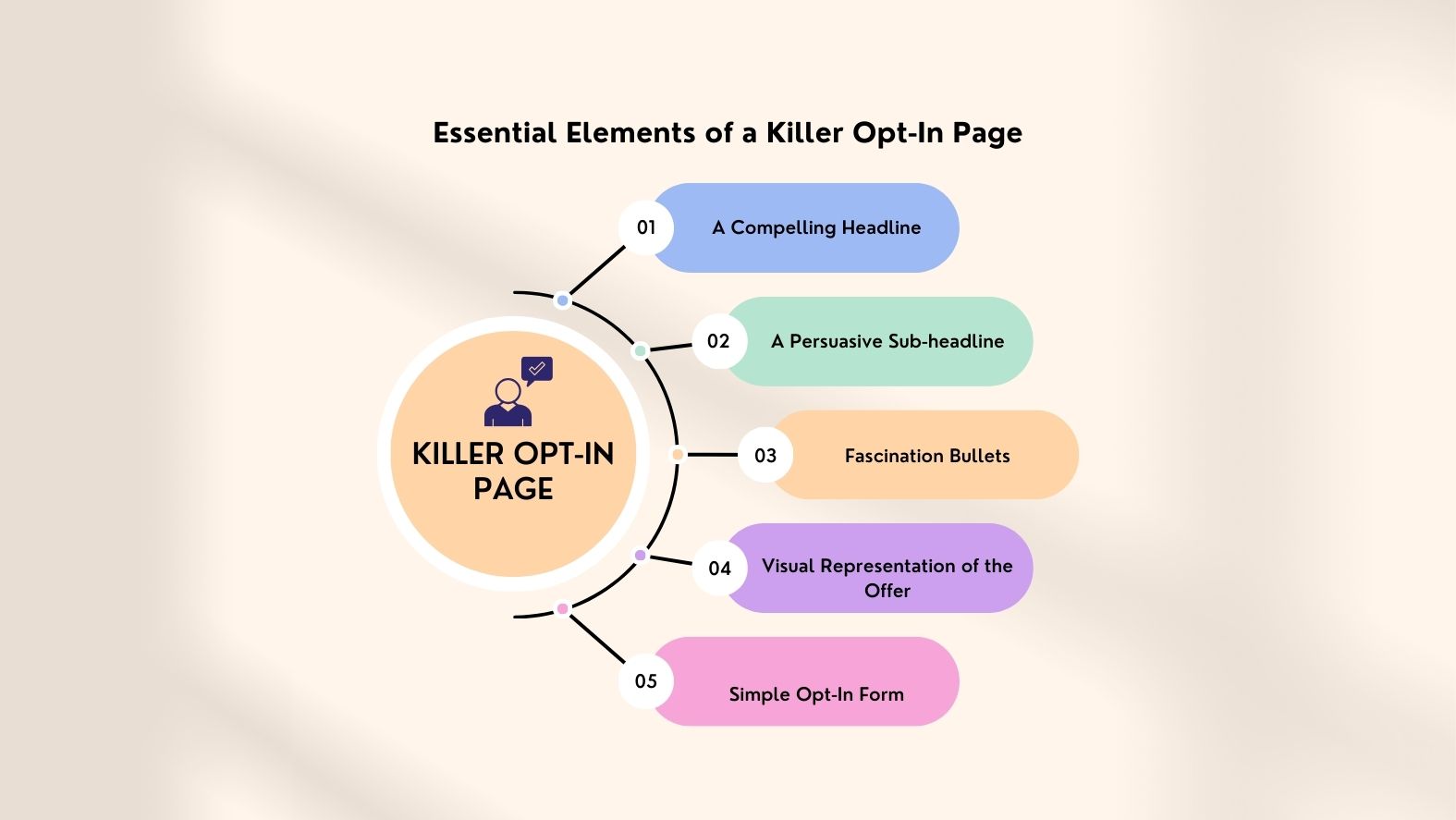
When designing your opt-in page, include these critical elements:
1. A Compelling Headline
Your headline should immediately grab the reader’s attention and promise a clear benefit. It needs to address a specific pain point and offer a solution. Avoid vague statements; instead, focus on your prospect’s needs and how you can resolve their problems. A powerful headline can be the difference between a visitor who stays and one who leaves.
Example Headline structure: Finally! How To Get [Desired Result] Without [Thing They Fear Most] In [Specific Time Frame]
2. A Persuasive Sub-headline
The sub-headline should reiterate your offer and specify what the reader will receive. For example: "30-Minute Meals for Busy Professionals: Quick and Easy Recipes for Delicious Dinners, Plus 10% Discount for Online Cooking Classes." Clearly explain how the content will be delivered and what action the reader needs to take, such as entering their email address to receive the offer instantly.
3. Fascination Bullets
These are short, punchy statements that tease the content’s benefits and create curiosity. Fascination bullets should highlight the value of the content and make it nearly impossible for the prospect to resist opting in. The key is to build intrigue and hint at the benefits without giving everything away.
4. Visual Representation of the Offer
Show your prospects what they will receive. Use high-quality images or mock-ups to visually represent your free report, ebook, cheat sheet, or other offers. A polished visual presentation increases the perceived value and helps convert visitors into leads.
5. Simple Opt-In Form
Collect only essential information to maximize conversion rates. Typically, asking for just a name and email address is sufficient. The goal is to get prospects to identify themselves as interested in what you are offering, allowing you to nurture them through email automation and other channels.
Lead Nurturing
Simply appearing on your customer's radar isn't sufficient. It's about building genuine, meaningful relationships that actually make a difference. But let's be clear—meaningful relationships aren't forged from cookie-cutter templates; they require a thoughtful approach, significant time investment, and unwavering dedication. This is precisely why lead nurturing, while challenging, is profoundly rewarding.
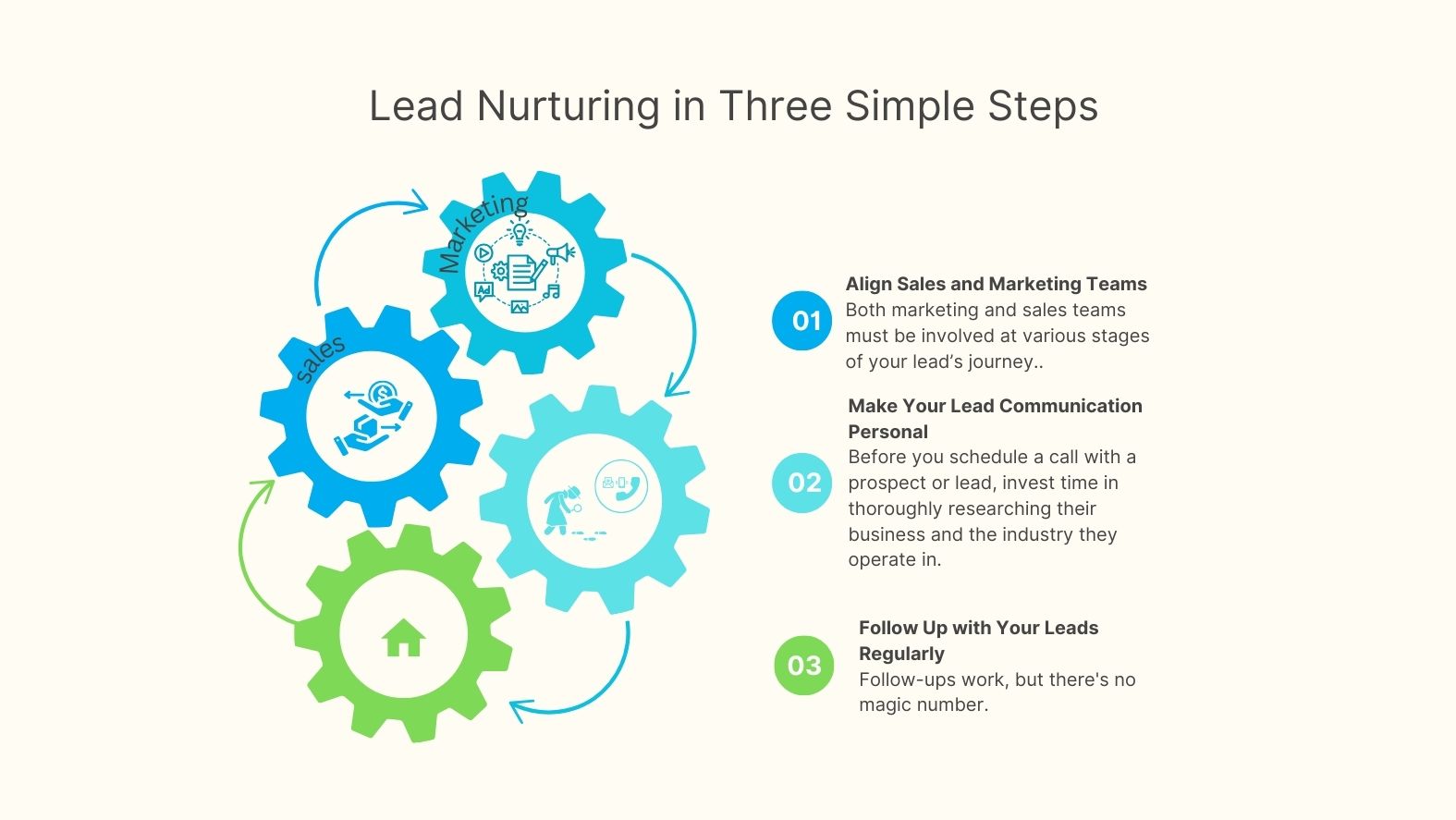
Too often, businesses miss the mark because they focus on short-term sales targets instead of customer needs. Lead nurturing demands a customer-centric approach, ensuring that your sales team is aligned with the genuine needs and concerns of your potential clients, not just their own quotas. This is what sets successful businesses apart. Here are three lead nurturing strategies that actually work:
1. Align Sales and Marketing Teams Lead nurturing is not a solo endeavor; it’s a coordinated team effort. Both marketing and sales teams must be involved at various stages of your lead’s journey. To prevent confusion and ensure smooth operations, it is essential to define clear responsibilities for both teams.
Typically, marketing responsibilities in lead nurturing include:
1. Engaging leads and educating them about the benefits of your product/service.
2. Creating diverse content to connect with leads and prospects.
3. Distributing marketing messages across multiple channels.
Sales responsibilities, on the other hand, include:
1. Following up with leads to maintain engagement during lengthy sales cycles.
2. Providing leads with detailed information on how to maximize the benefits of your product or service.
3. Addressing leads’ specific pain points and concerns directly.
1. Make Your Lead Communication Personal The age-old advice to “walk in your customer's shoes” is more relevant than ever. Before you schedule a call with a prospect or lead, invest time in thoroughly researching their business and the industry they operate in.
During the call, focus on listening and asking insightful questions. The conversation should feel natural and genuine, not like a sales pitch. Understanding how to serve your potential customers better increases your chances of closing the deal.
Pay attention to details during your interactions. Personalize your follow-ups by remembering minor details. For example, if a lead mentions that they recently renovated their kitchen or are planning to upgrade their bathroom, note it down. Mentioning these details in future conversations can make a significant difference in building rapport and trust.

2. Follow Up with Your Leads Regularly Here’s the reality: follow-ups work, but there's no magic number. While most businesses follow up once, it may take six to eight follow-ups to get a response.
Improve your follow-up routine by:
1. Being diligent with your follow-up schedule. Track when each lead was last contacted to avoid over-communication.
2. Outlining your leads’ journey. This helps you understand when a follow-up is relevant—there's a danger in following up too early or too late.
3. Spacing out your follow-ups. Some clients need more time to make decisions, especially if multiple stakeholders are involved.
4. Using different channels. If emails go unanswered, try a message on social media or a quick call. Different people have different communication preferences.
5. Adding value in your follow-ups. Include valuable resources like links to relevant blog posts or e-books that your leads might find useful.
Lead nurturing is not just about staying on your customers' radar; it's about building deep, meaningful relationships through thoughtful and persistent efforts. It’s time for businesses to recognize their missteps and realign their strategies to focus on what truly matters—genuine engagement and value creation for their customers.
Have any Questions? Feel Free to Contact Us—No Obligations.
Your Success story begins here. Sign Up with Allfeito today!
-2024-10-28976.jpg)